The full analysis
Product details
What Omnihear actually is, and what it claims
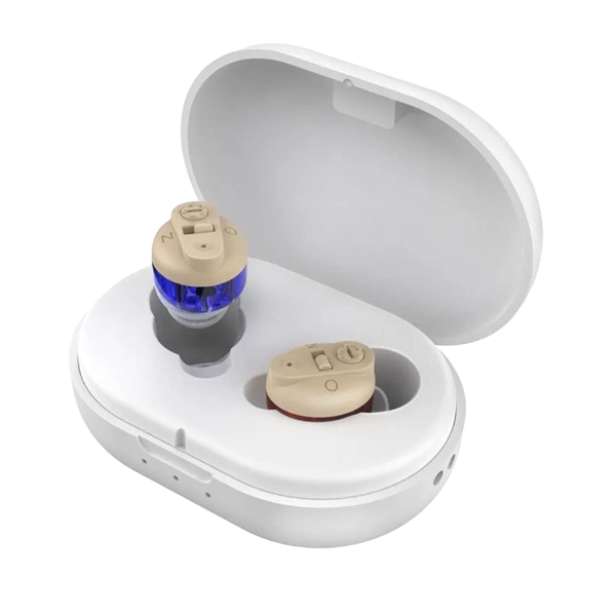
Omnihear is a rechargeable, virtually invisible behind-the-ear device using dual-chip processing and AI-based noise reduction, with four preset sound modes (Quiet, TV, Social, Outdoor), over 30 hours of battery life per charge, and USB charging. It's marketed as "prescription-free" and "no doctor visit required," targeting mild-to-moderate hearing loss.
This is worth some real context: over-the-counter hearing aids for perceived mild-to-moderate hearing loss in adults are a legitimate, recognised product category, not a fringe idea. So the basic premise here is more grounded than most of the ear-health supplements we've reviewed. That said, we found no independent audiology testing or review of this specific device's real-world sound quality, so the "no whistling" and noise-cancellation claims are the manufacturer's own. An OTC device also isn't the right fit for every type of hearing loss (for example, sudden hearing loss, single-sided deafness, or loss caused by a medical condition needs a doctor's evaluation, not a self-fitting device).
Who should be careful with this product
If you haven't had a hearing test, it's worth getting one before buying any OTC hearing aid. It tells you whether your loss is the mild-to-moderate, age-related type these devices are designed for, or something that needs medical attention instead. Sudden hearing loss, hearing loss in one ear only, ear pain, discharge, or dizziness alongside hearing changes are reasons to see a doctor rather than trying a device first.
Frequently asked questions
What kind of device is Omnihear?
A rechargeable, virtually invisible behind-the-ear OTC hearing aid with dual-chip processing, AI noise reduction, four preset sound modes, and over 30 hours of battery life, marketed as prescription-free for mild-to-moderate hearing loss.
Do prescription-free hearing aids like this actually work?
OTC hearing aids for mild-to-moderate hearing loss are a legitimate, recognised category. The basic idea is more grounded than most supplement-based hearing products. We couldn't find independent audiology testing of this specific device, though, so real-world sound quality claims are the manufacturer's own. It's not a fit for every type of hearing loss.
Do I still need a hearing test?
We'd say yes. A hearing test tells you whether your hearing loss is the mild-to-moderate, age-related type this device targets, or something needing medical attention. Sudden loss, one-sided loss, or loss with pain/dizziness should be checked by a doctor rather than addressed with a self-fitting device.
Are there any side effects or downsides?
The main risk with any OTC hearing aid is a poor fit or over-amplification if it's not suited to your specific hearing loss. That's exactly why a hearing test first is worth doing. The manufacturer reports no specific side effects for the device itself.
How much does Omnihear cost?
On the manufacturer's site, UK pricing is currently shown at a promotional £112.99 (discounted roughly 60% from a stated ~£282.50 standard price), with a 30-day money-back guarantee. The site shows pricing in your local currency (USD, AUD, CAD, etc.) depending on where you're browsing from, and promotional pricing changes, so always check the official page for the current figure.
Where can I check current pricing and buy it?
Through the official page. That's exactly where our link takes you, so you see today's real price and guarantee terms firsthand, instead of a number that might already be outdated.