The full analysis
Product details
What's actually in VisiFlora, and why the "gut-eye axis" claim needs scrutiny
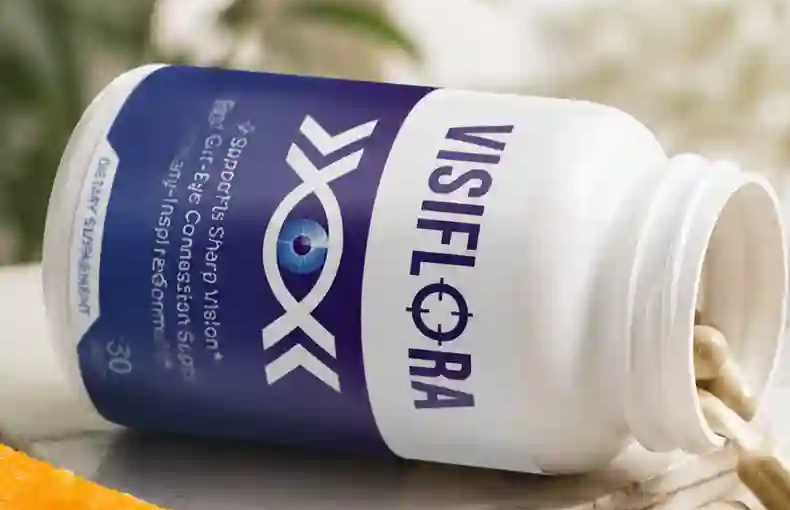
Across the sales pages and independent write-ups we checked, VisiFlora is consistently described as a "22-in-1" blend built around genuinely recognized eye-support ingredients: lutein, zeaxanthin, astaxanthin, bilberry extract, vitamin A, vitamin C, vitamin E, zinc, copper, selenium, quercetin, rutin, grape seed extract, taurine, alpha-lipoic acid, ginkgo biloba, coleus forskohlii, eyebright and lycopene/saffron. That's a real, plausible panel, several of these compounds (lutein, zeaxanthin, vitamin C/E, zinc) overlap with the AREDS2 formula used in actual macular-health research. What's missing everywhere we looked is dosage: every source we found, official-style pages and independent reviews alike, confirms this is a proprietary blend with no per-ingredient milligram amounts disclosed. Without doses, there's no way to check whether you're getting anywhere near research-backed amounts (AREDS2, for comparison, uses 10mg lutein and 2mg zeaxanthin) or a token sprinkle of each.
The bigger issue is the central marketing hook itself. The "gut-eye axis", the idea that gut-lining integrity and inflammatory toxins in the bloodstream affect eye tissue, is a real, emerging research area with some peer-reviewed epidemiological and animal-model support. But that's different from a finished supplement being clinically shown to work through that pathway. We could not find any independent clinical trial of the finished VisiFlora formula itself, only general research on the broader gut-eye concept and on individual ingredients in isolation. Treat the "first gut-eye connection support" framing as a marketing angle layered onto a fairly standard antioxidant eye blend, not as a proven mechanism for this specific product.
Multiple "official" sites, and a sales pitch that leans on real eye diseases
We found over a dozen differently named domains all presenting themselves as the official VisiFlora website, ordinary spelling variants, region-coded subdomains, and separately branded storefronts among them. That pattern makes it genuinely hard to know which storefront is authoritative, and it's a red flag independent of whether the product itself is legitimate. Checkout on the pages we reviewed is processed through BuyGoods, a third-party affiliate-marketing payment processor, rather than a page branded directly to a company you can independently verify.
More concerning: at least one sales page we reviewed references age-related macular degeneration (AMD) and cataracts by name, and includes a customer-testimonial claim about supporting "early-stage macular changes." AMD, cataracts, glaucoma and diabetic retinopathy are diagnosed medical conditions that need an ophthalmologist, proper imaging, and in many cases prescription treatment or surgery, not an antioxidant capsule. No supplement, this one included, has been shown to reverse diagnosed macular degeneration. If you're dealing with a real, worsening vision problem, that's a reason to book an eye exam, not to self-treat with capsules.
Who should be careful, and what the pricing and guarantee actually say
Ginkgo biloba and grape seed extract can interact with blood-thinning medication; alpha-lipoic acid can affect blood sugar control, worth flagging if you're diabetic or on glucose-lowering medication. Because exact doses aren't disclosed, we can't give more specific interaction guidance beyond that, talk to a doctor or pharmacist before starting if you take any prescription medication, especially anticoagulants or diabetes drugs. The sales pages we found state a 60-day money-back guarantee, and describe manufacturing in an FDA-registered, GMP-certified US facility, claims we could not independently verify ourselves. Pricing shown on those pages was denominated in US dollars with per-bottle discounts for larger packages, but since VisiFlora ships internationally, don't assume that reflects your local price, currency, shipping cost or return window. Check the checkout page for your own country before you commit.
Frequently asked questions
What's actually in VisiFlora?
A roughly 22-ingredient blend built around recognized eye-support compounds: lutein, zeaxanthin, astaxanthin, bilberry extract, vitamins A, C and E, zinc, copper, selenium, quercetin, rutin, grape seed extract, taurine, alpha-lipoic acid, ginkgo biloba, coleus forskohlii, eyebright and lycopene/saffron. No per-ingredient dosages are disclosed on any source we checked; it's sold as a proprietary blend.
Does the "gut-eye axis" claim actually check out?
The underlying research area is real, published, peer-reviewed studies do explore links between gut-barrier health and eye conditions, but it's still early-stage, mostly epidemiological and animal-model evidence. We found no independent clinical trial of the finished VisiFlora formula itself testing this specific mechanism. Treat it as a genuine research area used as a marketing hook, not a proven effect of this product.
Can VisiFlora treat or reverse macular degeneration or other eye disease?
No. Some VisiFlora marketing references AMD and cataracts, and includes a testimonial about "early-stage macular changes." These are diagnosed medical conditions that require an ophthalmologist, imaging, and often prescription treatment or surgery. No supplement has been clinically shown to reverse diagnosed macular degeneration. See an eye doctor for any real, worsening vision changes.
Are there side effects or interactions to know about?
Ginkgo biloba and grape seed extract can interact with blood-thinning medication, and alpha-lipoic acid can affect blood sugar control. Because exact doses aren't disclosed, we can't give more precise guidance. Talk to a doctor or pharmacist before starting if you're on any prescription medication, especially blood thinners or diabetes drugs.
Is there a money-back guarantee?
Sales pages we reviewed state a 60-day money-back guarantee, but we also found more than a dozen differently branded "official" VisiFlora domains, so confirm the exact refund terms shown at your own checkout, and keep your order confirmation, before relying on this figure.
Where can I check current pricing and buy it?
Through the official link below, which takes you to see today's real price, package options, currency and return policy for your country, rather than relying on a US-dollar figure in this review that may not match what you're offered.